Around 25% of reported wireless issues are caused by something other than the Wi-Fi signal — an overloaded router, a device consuming all available bandwidth, a failing switch, an unauthorized device, or a network configuration problem. This post explains how to tell the difference between a Wi-Fi problem and a network problem, and includes a real-world example of an employee using the office ethernet connection to download large personal files, slowing the entire office to a crawl.
Two-factor authentication (2FA) is the single most effective step a small business can take to prevent account takeovers when a password has been stolen. This guide covers the four types of second factor ranked by security strength — SMS codes (weakest), authenticator apps (Microsoft, Google, or Apple’s built-in option), passkeys (strongest for most users), and hardware keys — which accounts to protect first, and how to enforce 2FA across a Microsoft 365 organization.
Managed IT replaces unpredictable repair bills with a flat monthly fee. A typical managed IT agreement covers proactive monitoring, patch management, helpdesk support with a pre-agreed response time and contact method, endpoint security, and backup verification. This post explains what is usually included, what is commonly billed as an extra, what managed IT is not, and how pricing models work — so you can compare providers accurately.
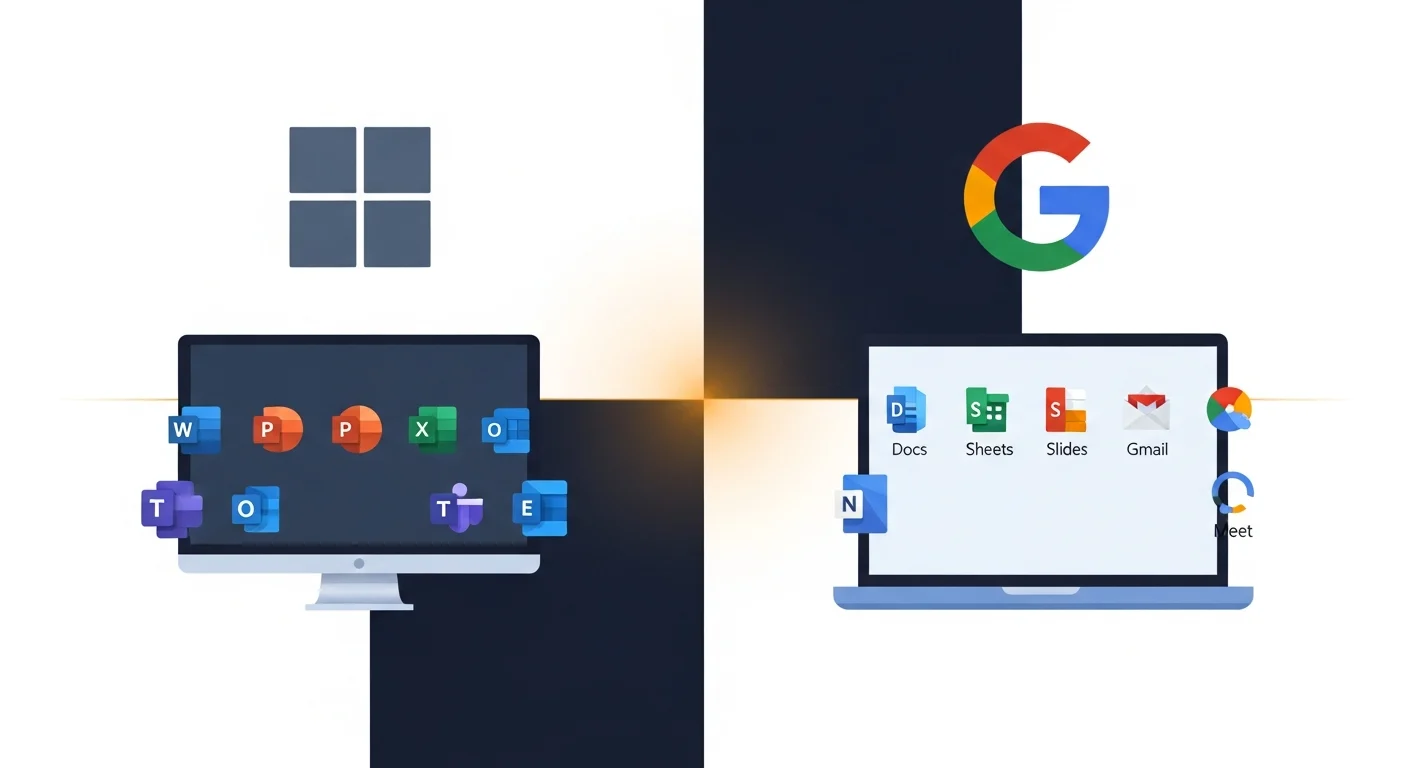
Both Microsoft 365 and Google Workspace are capable platforms, but for most Calgary small businesses — especially those using complex documents, accounting software, or Microsoft-centric vendors — Microsoft 365 is the practical default. This post breaks down the differences in collaboration tools, email, storage, pricing, and offline capability so businesses can choose without relying on a vendor sales pitch.
A slow computer usually has one of seven fixable causes — most do not require a new machine. This guide covers the most common culprits in order: startup programs, background processes, storage space, Windows updates, malware, RAM, and hard drive type. The single hardware upgrade with the highest impact for small business computers is replacing a spinning hard drive with an SSD.
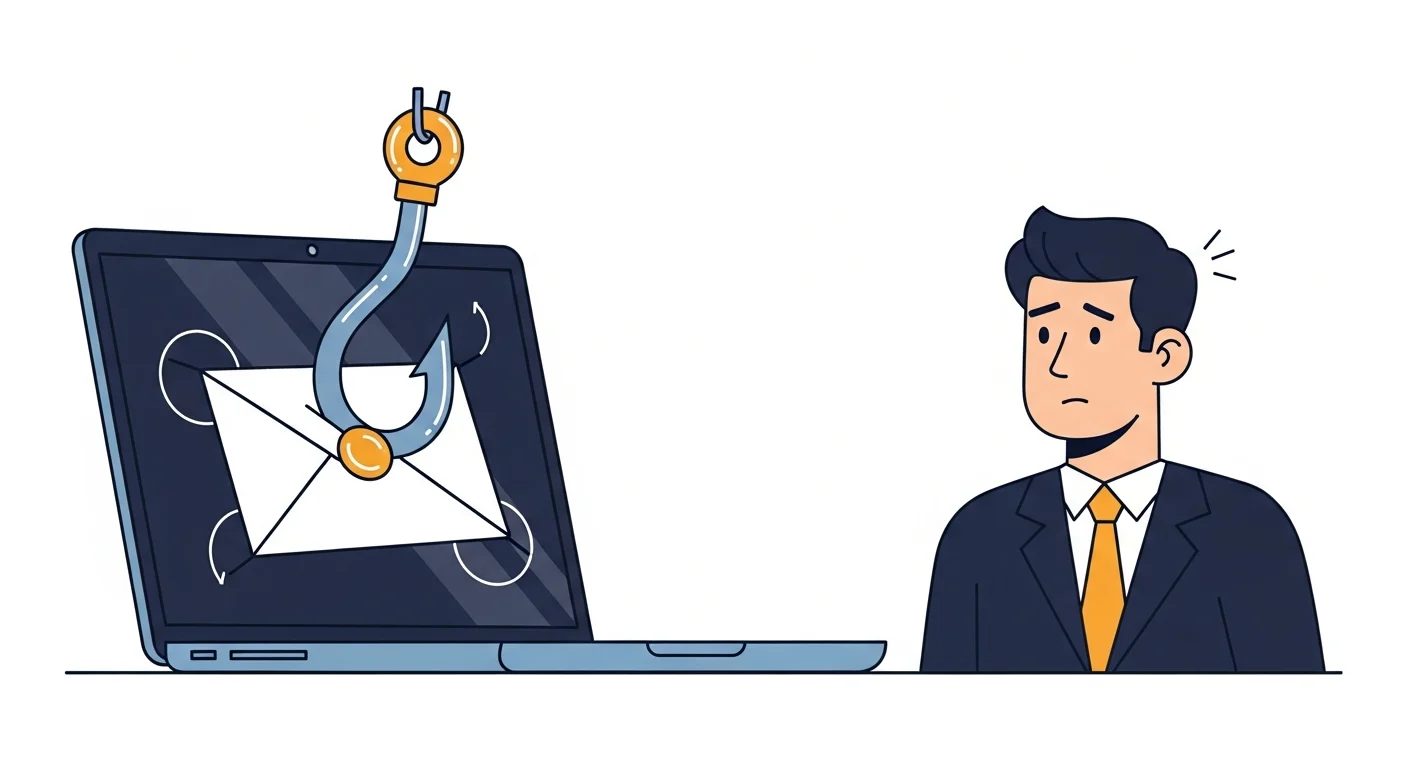
Modern phishing emails arrive as convincing invoices from vendors you use, fake Microsoft 365 login pages, and urgent messages appearing to come from your own boss. This post covers the five types of phishing hitting Calgary businesses in 2026, five habits that catch most attempts, and an exact five-step response protocol for when someone on your team clicks something they should not have.
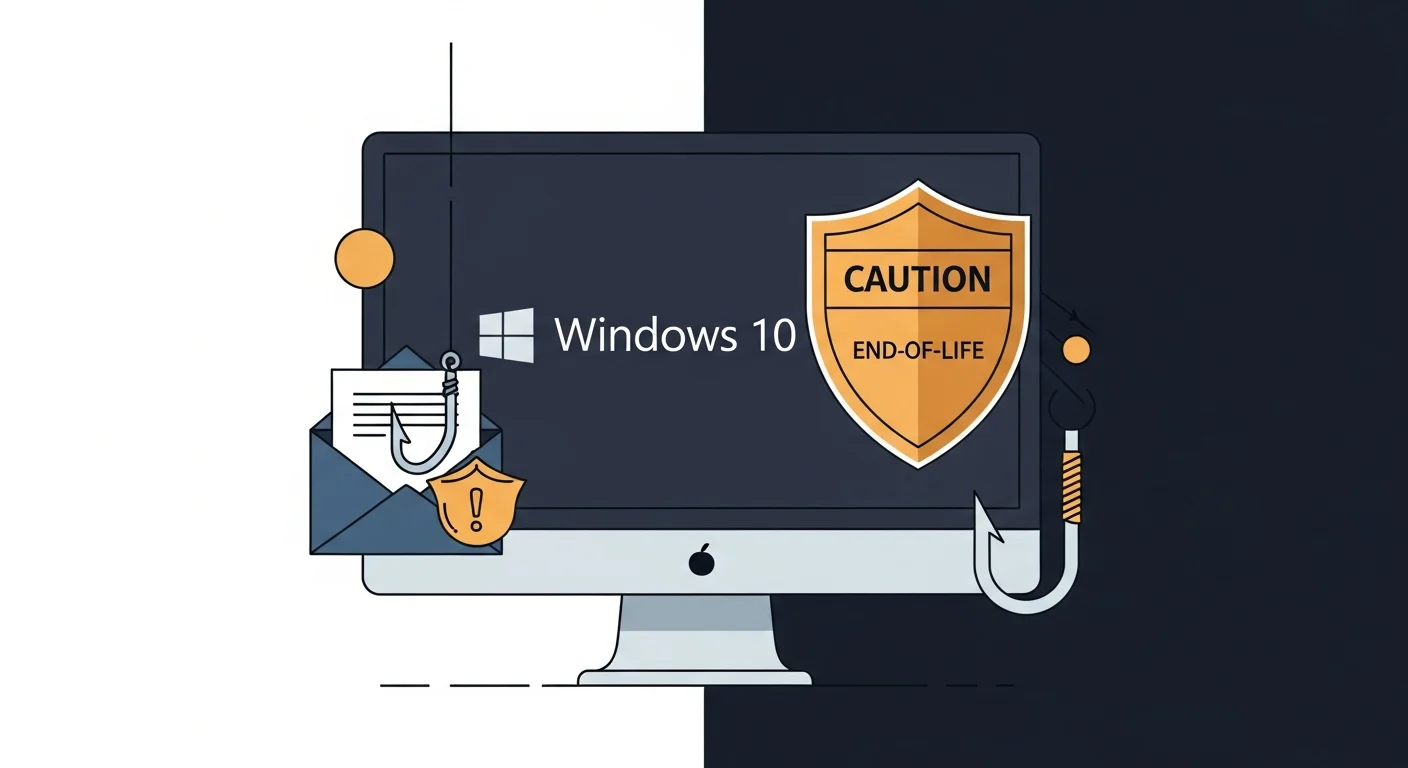
Windows 10 reached end of support in October 2025, meaning Microsoft stopped releasing security patches. Attackers are already targeting businesses running Windows 10 knowing unpatched systems cannot defend against the latest phishing and malware techniques. Calgary small businesses still running Windows 10 face compounding risk from an ageing operating system and increasingly sophisticated phishing campaigns.
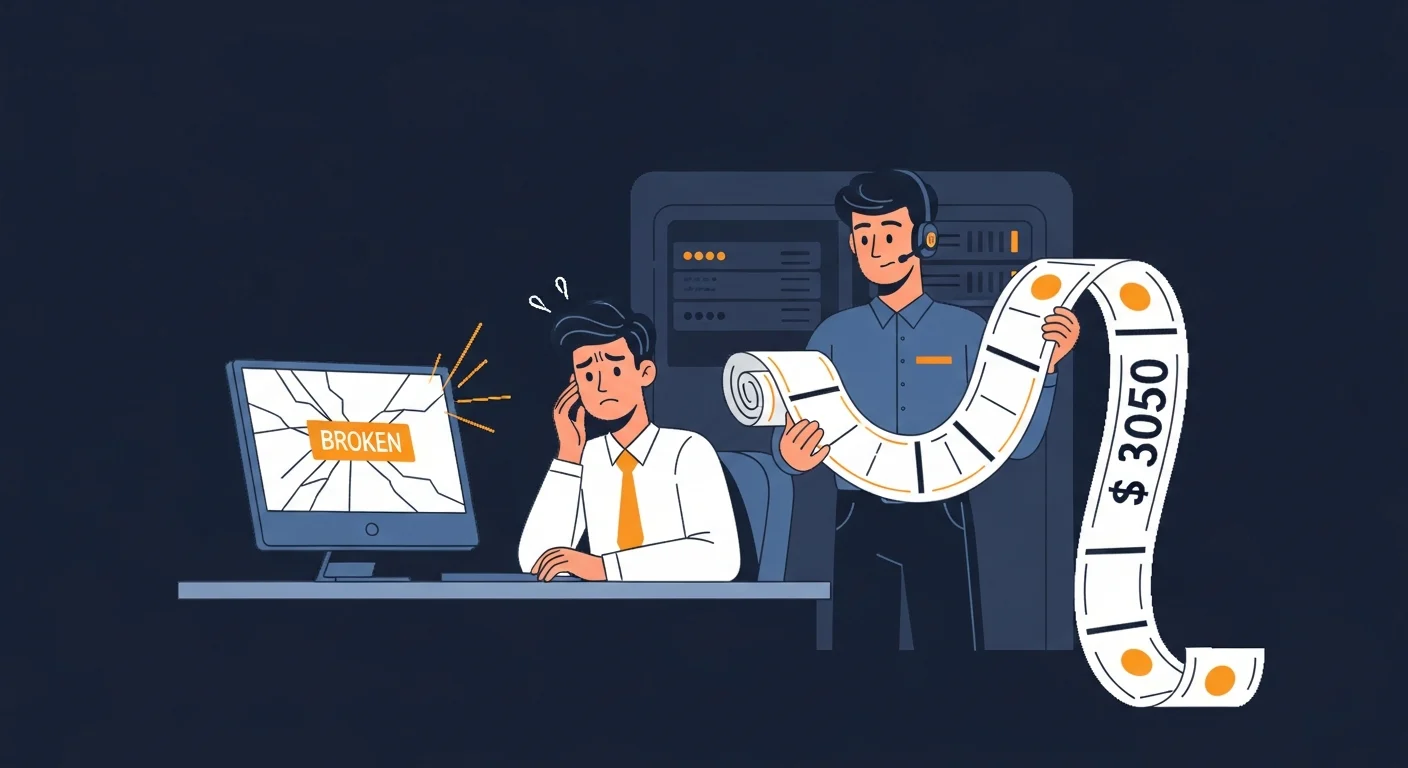
Break-fix IT works fine for small, simple setups — but there is a tipping point. When IT problems start costing more than repair bills, when updates happen only when someone remembers, and when security scares go unaddressed, the reactive model is no longer adequate. This post identifies five specific signs Calgary small businesses have already crossed that line and explains what a managed IT alternative looks like.